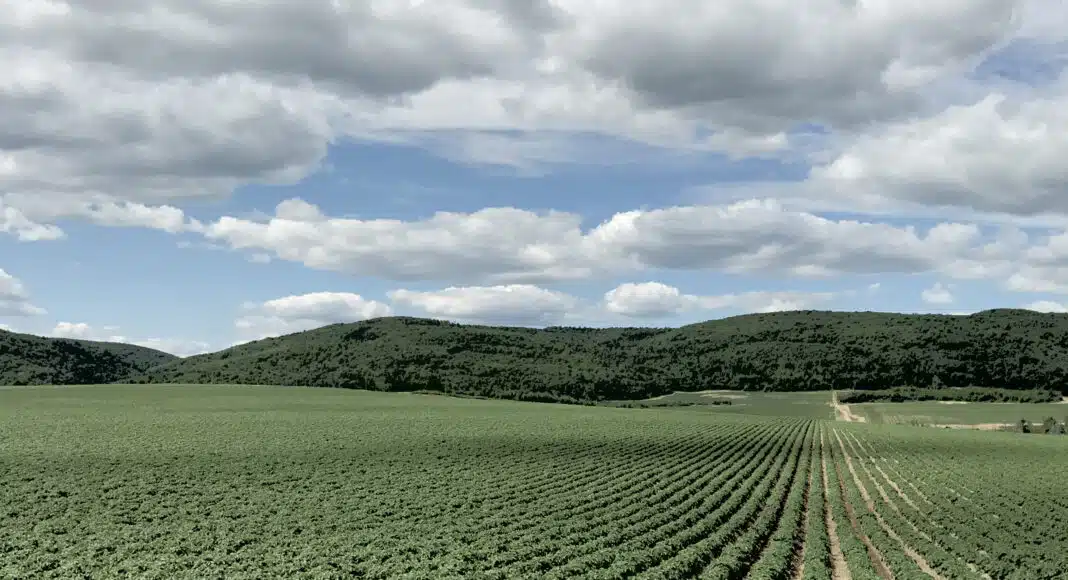
Over time, many growers notice that some fields simply don’t perform like they used to. Even with solid fertility, irrigation, and management practices, yields can plateau and crop uniformity declines. While these acres are often called “tired fields,” the real issue may lie below the surface.
Healthy soils depend on active root systems and beneficial microbes that cycle nutrients and improve soil structure. But as soil-borne disease pressure builds, crops shift energy away from growth and toward defense. The result is weaker root systems, reduced nutrient efficiency, and less consistent yields.
That’s why managing soil-borne diseases is about more than disease control. By reducing pathogen pressure, growers give crops the opportunity to invest more energy into root development, canopy growth, and tuber production. Healthier plants also contribute more carbon back into the soil, supporting the biological processes that help fields remain productive over time.
Every season either builds or diminishes a field’s long-term productivity. Managing soil-borne disease is one way growers can help preserve soil function, improve crop performance, and protect yield potential for future seasons.
Read the original article: The Real Reason Fields Get “Tired”… and What to Do About It: https://spudsmart.com/the-real-reason-fields-get-tired-and-what-to-do-about-it/